 EGA Institute for
Women’s Health
Reproductive health education
Menstruation and fertility education resources
Leaflets, videos and podcasts on periods, the menstrual cycle, fertility and reproductive health.
Evidence-based resources from Professor Joyce Harper, co-founder of the UK Fertility Education Initiative and the International Reproductive Health Education Collaboration (IRHEC).
Jump to a topic

About these resources
Fertility education for everyone
I have written a book where this information is covered in detail – Your Fertile Years: what you need to know to make informed choices. Sheldon Press, 2021.
I am co-founder of the UK Fertility Education Initiative and the International Reproductive Health Education Collaboration (IRHEC)
Both web sites contain a number of information leaflets and videos about reproductive health and fertility. Below I have included some of the key resources that I helped co-design with young people through a series of focus groups which you will find on the IRHEC web site.


Empowering Teachers: Navigating Difficult Periods in the Classroom
As an ambassador for Wellbeing of Women, I am incredibly proud to support the development of vital resources to help teachers understand and navigate the realities of difficult periods in schools. Menstrual health should never be a barrier to education.
To assist in this mission, the Royal College of Nursing (RCN) has produced a phenomenal, comprehensive summary document tracking key aspects of women's health. The Women's Health Pocket Guide is an invaluable, practical tool for educators looking to increase their awareness, support their students effectively, and foster a more open, informed classroom environment.




Body Literacy, Development and Advocacy:
Navigating Anatomy, Puberty and Reproductive Cancers
True health empowerment begins with body literacy—knowing our own anatomy without shame, understanding how our bodies develop, and recognizing the warning signs that could save a life. It is absolutely vital for everyone to understand their reproductive anatomy, yet it can become very confusing when incorrect terms are used. In females, for instance, the vulva is the external genitalia which includes the clitoris and labia, while the vagina is the internal tube running from the outside up to the cervix.
This curated collection of episodes demystifies the human body, bringing together world-leading clinical experts to discuss everything from the groundbreaking anatomical research of Professor Helen O’Connell on the clitoris, to vital guides on the womb, vulva, and reproductive health. Beyond standard anatomy, these conversations confront the realities of development and gynaecological health. With a dedicated suite of episodes focusing on reproductive cancers launching this summer, this resource page serves as a vital tool for education, early detection, and support through every life stage.
See my podcasts on anatomy and reproductive cancers below. For any questions about gynaecological cancers – please visit The Eve Appeal. Podcasts on the gynaecological cancers are coming out summer 2026.







The Menstrual Cycle, Menstruation and related issues
I have done a lot of research discussing menstruation with women. I think it is essential that everyone understands about the menstrual cycle and menstruation, and that there should be several lessons given in schools, with boys present – but it seems that most people have only one lesson in primary school and one at secondary school and unfortunately some schools still separate boys from girls to give these lessons.
In school you were probably taught that women have a 28 day cycle and ovulate on day 14 – but our big data study and several other recent studies, show that only 13% of women have a 28 day cycle and they can ovulate from as early as day 10, with an average day of day 16, not day 14.
It is really key that we teach in schools that females experiences of having a period really varies. Some will have no issues, but there will be those who have heavy or painful periods which may affect their quality of life. They should seek medical help if this happens.
It is also important to teach everyone that 1 in 10 women have endometriosis which can hugely affect quality of life and can cause much pain. Currently it takes years for women to be diagnosed with endometriosis and this can lead to long term issues. There is a lot being done to improve this.
Another important condition is polycystic ovary syndrome which can result in irregular or no periods. See the information leaflet below.

A video summary of the menstrual cycle
A video by IRHEC about endometriosis
Understanding Endometriosis: Breaking Through the Pain and Finding Support
Endometriosis is a complex, chronic condition where tissue similar to the lining of the uterus grows outside of it, most commonly affecting the ovaries, fallopian tubes, and pelvic lining. These abnormal growths, lesions, or cysts can cause severe, debilitating pain, chronic inflammation, and scarring, particularly around menstruation, making everyday life an uphill struggle for millions. Navigating a diagnosis and finding effective management strategies can be incredibly challenging, which is why accessing accurate, expert-led information is so vital. If you or someone you know is living with this condition, invaluable guidance, support groups, and clinical resources are available to help you take control of your health journey.
The Menstrual Cycle: A Vital Sign for Your Overall Wellbeing
Why understanding about your menstrual cycle is important
Understanding your menstrual cycle is about far more than just tracking your period or planning for pregnancy; it is a fundamental window into your everyday physical wellbeing. Leading reproductive health experts now recognize the menstrual cycle as a vital sign—a crucial indicator of overall health, akin to monitoring blood pressure or heart rate. Fluctuations, irregularities, or sudden changes in your cycle can serve as an early warning system for underlying hormonal imbalances, stress levels, and systemic health conditions that impact your entire body. By learning to read these biological signals, you can move past outdated taboos, make informed lifestyle choices, and advocate for your health with confidence.
Navigating Your Menstrual Cycle: Expert Insights on Period Health and Hormonal Conditions
My podcasts relating to the menstrual cycle and menstruation
The menstrual cycle is a fundamental indicator of overall health, yet conversations surrounding it are too often clouded by confusion or silence. In this dedicated series of episodes, I sit down with leading global clinicians and researchers to break down the biological complexities of the menstrual cycle and the chronic conditions that can impact it. From exploring the fundamental mechanics of a healthy period with Dr Jackie Maybin, to diving into the diagnosis and management of conditions like Endometriosis with Professor Ertan Saridogan and PCOS with Professor Helena Teede, these conversations provide the clarity you deserve. Whether you are seeking to manage difficult symptoms or simply looking to understand your body better, these episodes offer evidence-based, practical guidance to support you through every stage of your hormonal journey.



Fertility - If you want to get pregnant in the future;
What you should know
Whether we want children or not, and if we are sexually active or not, I think it is important to understand fertility and the fertile window.
The best way to determine the fertile window is to use ovulation sticks which measure a hormone called luteinising hormone (LH) which rises about 24-40 hours before you are going to ovulate. If you are trying to get pregnant – it is important to have a lot of sex around this time to increase your chances. Once the egg is ovulated, it is only viable for about 24 hours. But sperm can stay viable in the female genital tract for several days – so having sex before and on the day of ovulation gives the best chances.
If you are trying to get pregnant - both the man and the woman should ensure they have healthy lifestyles to improve their chances of getting pregnant and to get the woman ready for pregnancy. A healthy lifestyle for the man and the woman will also benefit the health of the future child. See the preconception checklist below.
A woman’s fertility decreases with age, and when she reaches menopause – she will no longer be able to get pregnant with her own egg. Men’s fertility does not decrease to such an extent, but the sperm can become less healthy over the age of 40. There is further information in the fertility poster which is available in a variety of languages.

Preconception health for women
Ready for Pregnancy: Your Essential Pre-Conception Health Checklist
Preparing your body for pregnancy is one of the most empowering steps you can take on your journey to parenthood. Pre-conception care is all about optimizing your health before you conceive, which not only improves your chances of getting pregnant but also lays a strong foundation for a healthy baby. Drawing from the evidence-based guidelines outlined by the Australian public health program Your Fertility, this comprehensive guide moves past common myths to highlight the practical, scientifically proven lifestyle habits and medical steps that truly impact your reproductive success. Taking a proactive approach to your health today can make a profound difference for your future family.
Key Steps to Prepare Your Body for Conception
Based on clinical recommendations, here are the core focus areas to address before you start trying to conceive:
-
Optimize Nutrition and Weight Management: Eating a well-balanced diet (such as a Mediterranean-style diet rich in whole foods and seafood) and maintaining a healthy weight range significantly boosts fertility. For those who are overweight, losing even a small amount (3–5 kg) can improve conception rates and reduce pregnancy complications.
-
Establish Active Habits: Aim for 30 minutes of moderate to vigorous activity—like brisk walking or jogging—every day to improve general physical stamina and reproductive health.
-
Eliminate Harmful Substances: Stop smoking, drinking alcohol, and using recreational drugs, as these directly cause fertility issues, damage egg quality, and threaten the health of a future pregnancy.
-
Moderate Caffeine Intake: High caffeine consumption can extend the time it takes to get pregnant. Keep your daily intake below 200 mg (roughly two cups of coffee).
-
Track Your Fertile Window: Learn your menstrual cycle length to pinpoint ovulation. Look for clear, slick, and slippery vaginal mucus, which indicates the most fertile days to time intercourse.
-
Start Vital Supplements: Take at least 400 micrograms of folic acid and 150 micrograms of iodine daily, starting at least one month before you begin trying, to significantly reduce the risk of serious birth defects.
-
Minimize Chemical Exposure: Reduce your daily contact with endocrine-disrupting chemicals and harmful pollutants found in common household and workplace products.
-
Schedule Pre-Conception Medical Checks: Book an appointment with your GP to review any existing health conditions (like PCOS or diabetes), check that your vaccinations are up to date, and assess any current medications. Don't forget a trip to the dentist, as active gum disease can negatively affect pregnancy outcomes.
Resource Links

Preconception health for men
Male Fertility Matters: Your Essential Pre-Conception Health Checklist
When preparing for a family, preconception health is just as vital for men as it is for women. Because it takes around three months for new sperm to develop, the lifestyle choices and health habits a man adopts today directly shape the quality, count, and swimming ability of his sperm tomorrow. Drawing from the evidence-based guidelines outlined by the Australian public health program Your Fertility, this guide highlights the practical, scientifically proven steps men can take to optimize their reproductive health. Taking a proactive approach to your wellbeing not only boosts your chances of conception but also plays a fundamental role in passing on the healthiest possible DNA to your future child.
Key Steps to Prepare the Body for Conception (For Men)
Based on clinical recommendations, here are the core areas men should address before trying to conceive:
-
Maintain a Healthy Weight: Being over or underweight can negatively impact sperm count and quality. Achieving a healthy weight range optimizes testosterone levels and boosts overall fertility.
-
Eat a Well-Balanced Diet: Fuel your body with nutritious whole foods, fresh fruits, vegetables, and lean proteins (similar to a Mediterranean diet) to protect developing sperm from oxidative stress and improve overall semen quality.
-
Commit to Regular Exercise: Aim for regular, moderate physical activity to improve stamina, manage stress, and support healthy hormone production.
-
Quit Smoking and Vaping: Tobacco, nicotine, and recreational drugs damage sperm DNA, decrease sperm count, and can cause erectile dysfunction. Quitting at least three months before trying gives new sperm the best environment to mature.
-
Stop or Strictly Limit Alcohol: Heavy drinking lowers testosterone levels, alters sperm structure, and reduces sperm production. Cutting back or eliminating alcohol altogether is one of the fastest ways to improve sperm parameters.
-
Keep Sperm Cool: The testes need to be a few degrees cooler than the rest of the body to produce healthy sperm. Avoid activities that overheat the scrotum, such as prolonged hot tubs, saunas, heated car seats, or sitting with a laptop directly on your lap.
-
Minimize Chemical and Toxin Exposure: Be mindful of exposure to heavy metals, pesticides, and endocrine-disrupting chemicals found in certain industrial, automotive, or household products, as these can severely impair sperm production.
-
Review Medications and Chronic Conditions: Some prescription drugs and chronic conditions (like diabetes or high blood pressure) can affect fertility. Schedule a pre-conception check-up with your GP to review your health status, check for sexually transmitted infections (STIs), and ensure any required medications are safe for conception.
Resource Links

Navigating the Paths to Parenthood: Exploring Natural, Assisted, and Solo Conception
My podcasts relating to the menstrual cycle and menstruation
The journey to getting pregnant looks completely different for everyone, and there is no single right way to build a family. In this series of episodes, I sit down with leading clinicians, researchers, and advocates to explore the diverse realities of modern conception. From a comprehensive medical look at optimizing your chances naturally through to navigating IVF clinics with Professor Tim Child, to deep, empathetic dives into the social and emotional landscapes of solo motherhood with Mel Johnson and delayed childbearing with Dr Zeynep Gürtin, these conversations cover it all. Whether you are seeking clinical facts, evaluating fertility treatments, or exploring alternative family structures, these episodes offer evidence-based clarity and profound reassurance for your unique path ahead.


Empowering Your Conception Journey: Clear, Evidence-Based Fertility Resources
IRHEC have produced a number of information leaflets on fertility.
When you are trying to conceive, navigating the massive amount of conflicting online advice, social media trends, and clinic marketing can feel completely overwhelming. To cut through the noise, the International Reproductive Health Education Coalition (IRHEC) has produced a suite of beautifully clear, evidence-based information leaflets designed to give you the honest facts about your fertility. Grounded in rigorous scientific research and completely free from commercial bias, these resources cover the essential mechanics of reproduction, lifestyle factors that truly impact egg and sperm quality, and when it is genuinely time to seek medical guidance. By arming yourself with these trusted public health tools, you can understand your body better, protect your reproductive health, and make informed choices for your future with complete confidence.
Resource Links


Egg Freezing: Navigating the Complexities, Costs, and Realities
As a woman’s natural fertility decreases with age, egg freezing has become an increasingly discussed option for those who wish to have children in the future but may not currently have a partner ready or willing to start a family. While it offers a valuable method to preserve reproductive options, it is essential to look past the marketing headlines and understand the full picture. The procedure itself is highly complicated, involves multi-week hormonal regimens, and carries significant financial costs. Crucially, egg freezing provides an opportunity rather than a guarantee; success rates are deeply tied to the age at which the eggs are frozen, and the process does not ensure a live birth down the line. Navigating this path requires balancing personal circumstances with clear, medically accurate facts.
Key Insights from the IRHEC Guide
-
Why Women Choose It: Beyond navigating the absence of a ready partner, women may freeze their eggs to preserve fertility before undergoing medical treatments that could harm them (such as cancer therapies), to manage health conditions like endometriosis, or to protect their reproductive options during gender transition.
-
The Process: The procedure mirrors the early stages of IVF, taking about 2 to 4 weeks. It involves daily fertility medications to stimulate the ovaries to produce multiple mature eggs, which are then harvested without being fertilised with sperm.
-
The Age and Success Factor: The likelihood of a future baby depends heavily on a woman's age at the time of freezing. While data indicates that women under 35 have roughly a 30% birth rate per embryo transferred via fresh IVF, that success rate declines steeply with age, dropping to under 3% for those over 44. Consequently, clinical guidance suggests that if a woman chooses to freeze her eggs, doing so as early as possible yields the best potential outcomes.
Download the leaflet on Egg Freezing from ESHRE

Exploring the Reality of Fertility Preservation:
Is Egg Freezing the Answer?
The conversation around egg freezing has evolved from a niche medical procedure into a mainstream cultural discussion, often marketed as the ultimate insurance policy for modern family planning.
To break through the commercial noise and explore what the science truly says, I sat down with leading researcher Dr Lucy van de Wiel for a deep dive into the socio-political and clinical realities of this technology. In this episode, we look at the lived experiences of women navigating the process, the actual statistical success rates behind the procedures, and the broader social pressures that drive women to freeze their eggs.
Whether you are actively considering the procedure or simply want to understand the modern intersection of technology and reproduction, this conversation provides the vital, unvarnished clarity you need to make an informed choice.

Navigating Infertility: Understanding the Diagnosis, Treatments and Emotional Realities
For many couples, the path to parenthood does not happen easily. Culturally and medically, if a couple has been actively trying to conceive for one year without success, they are clinically classed as experiencing infertility. While an array of advanced reproductive medical interventions and fertility treatments are available today, navigating them can be an incredibly demanding path—both physically and financially. Procedures such as In Vitro Fertilisation (IVF) involve complex medical regimens and carry a surprisingly low success rate, which declines sharply as a woman passes the age of 35. To support you through the clinical and emotional complexities of this journey, global health bodies and dedicated advocates offer clear, evidence-based guidance to help you understand your options and find community.
Essential Resources and Insights
-
Global Clinical Guidance: For established medical standards, look to the
World Health Organisation Guidelines for the Prevention, Diagnosis and Treatment of Infertility -
Evidence-Based Public Tools: The International Reproductive Health Education Coalition (IRHEC) has produced a vital suite of information leaflets and educational videos demystifying the realities of infertility.
-
Episode 12: Dr Shema Tariq –
Mothering Against the Odds: Surviving Infertility, Baby Loss and Postnatal -
Episode 18: Jody Day –
Childlessness



Some useful videos on infertility
Navigating the emotional and clinical landscape of infertility requires hearing real, unvarnished human experiences alongside medical truths. While conversations around fertility struggles often focus heavily on women, the reality is that male fertility factors contribute to roughly half of all conception difficulties. This curated collection of insightful educational videos sheds light on the often-overlooked aspects of reproductive health. From exploring the sudden shock and delayed testing of male infertility to confronting the profound, consuming grief of the biological clock and the unique lived experiences of individuals growing up donor-conceived, these resources provide deep validation, clarity, and essential education for anyone on this path.
Foundations of Well-being: Nurturing Your Lifestyle for Long-Term Reproductive Health
If we want to truly look after our reproductive health, as well as our overall health, we need to actively look after our lifestyle. Our daily habits, physical choices, and emotional environments create the direct foundation upon which our biological systems thrive or struggle. Far from being about quick fixes or rigid wellness trends, sustainable well-being relies on a holistic approach that balances physical care with mental and social nourishment. By taking conscious, proactive steps to care for your body and mind, you can optimize your fertility, support your hormonal health, and build long-term physical resilience through every life stage.
Core Pillars of a Health-First Lifestyle
-
Eat Nourishing Food: Focus on a well-balanced diet rich in whole foods, lean nutrients, and diverse vitamins to directly fuel cellular function and healthy hormone production.
-
Exercise Regularly: Engage in consistent, enjoyable physical activity to boost blood circulation, manage stress, and maintain optimal metabolic fitness.
-
Prioritise Quality Sleep: Commit to consistent rest cycles, allowing the body the vital time it needs to repair tissue, balance hormone levels, and reset for the day ahead.
-
Nurture Mental Health: Cultivate mindfulness, manage chronic stress, and seek professional guidance when needed to protect your emotional and psychological well-being.
-
Build Friendships and Community: Invest in strong social connections and support networks, which are scientifically proven to lower cortisol levels and provide essential emotional grounding.
My podcasts on lifestyle
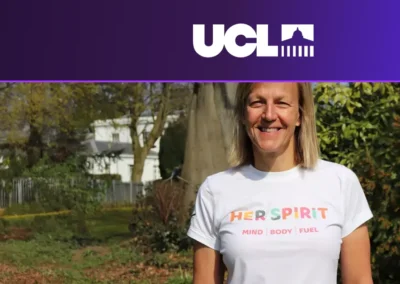
I have done many – here are a few. To truly look after our reproductive and overall health, our daily movement and lifestyle habits must take centre stage. In this collection of episodes, I sit down with leading health experts and fitness pioneers to explore how tailoring your physical activity can transform your long-term well-being. From understanding the intricate science of how exercise directly impacts female hormones with sports endocrinologist Dr Nicky Keay, to discovering the restorative power of menopause-specific yoga with Petra Coveney, these conversations look at movement through a uniquely female lens. We also explore the power of community in sustaining healthy habits with Mel Berry, co-founder of Her Spirit. Together, these episodes offer evidence-based, practical guidance to help you build an active lifestyle that supports, rather than stresses, your body.


Navigating Fertility Tech: Empowerment, Innovation and Evidence-Based Choices
The rapid rise of new technologies designed to help individuals monitor, track, and understand their fertility has completely transformed the modern reproductive landscape. While some of these innovations offer incredibly useful, data-driven insights into our bodies, a significant portion of the market remains misleading and entirely detached from robust medical science. For now, it is critical to exercise caution and avoid spending substantial amounts of money on unproven treatments or apps that lack rigorous validation. In this collection of episodes, I sit down with leading clinicians, researchers, and tech founders to explore the boundaries of reproductive innovation. From analyzing the ethics and marketing behind consumer tracking tools with Dr Tessa Copp, to examining the revolutionary potential of big data with Natural Cycles co-founder Elina Berglund Scherwitzl, and exploring the cutting edge of clinical surgery with womb transplant pioneer Professor Mats Brännström, these conversations help you separate genuine technological empowerment from corporate exploitation.