 EGA Institute for
Women’s Health
Menopause resources
Basic information about menopause and suggested further reading, from Professor Joyce Harper.
Evidence-based leaflets, videos and guidance from the leading menopause societies, gathered together by topic.
Jump to a topic
Every woman is different
Understanding your menopause
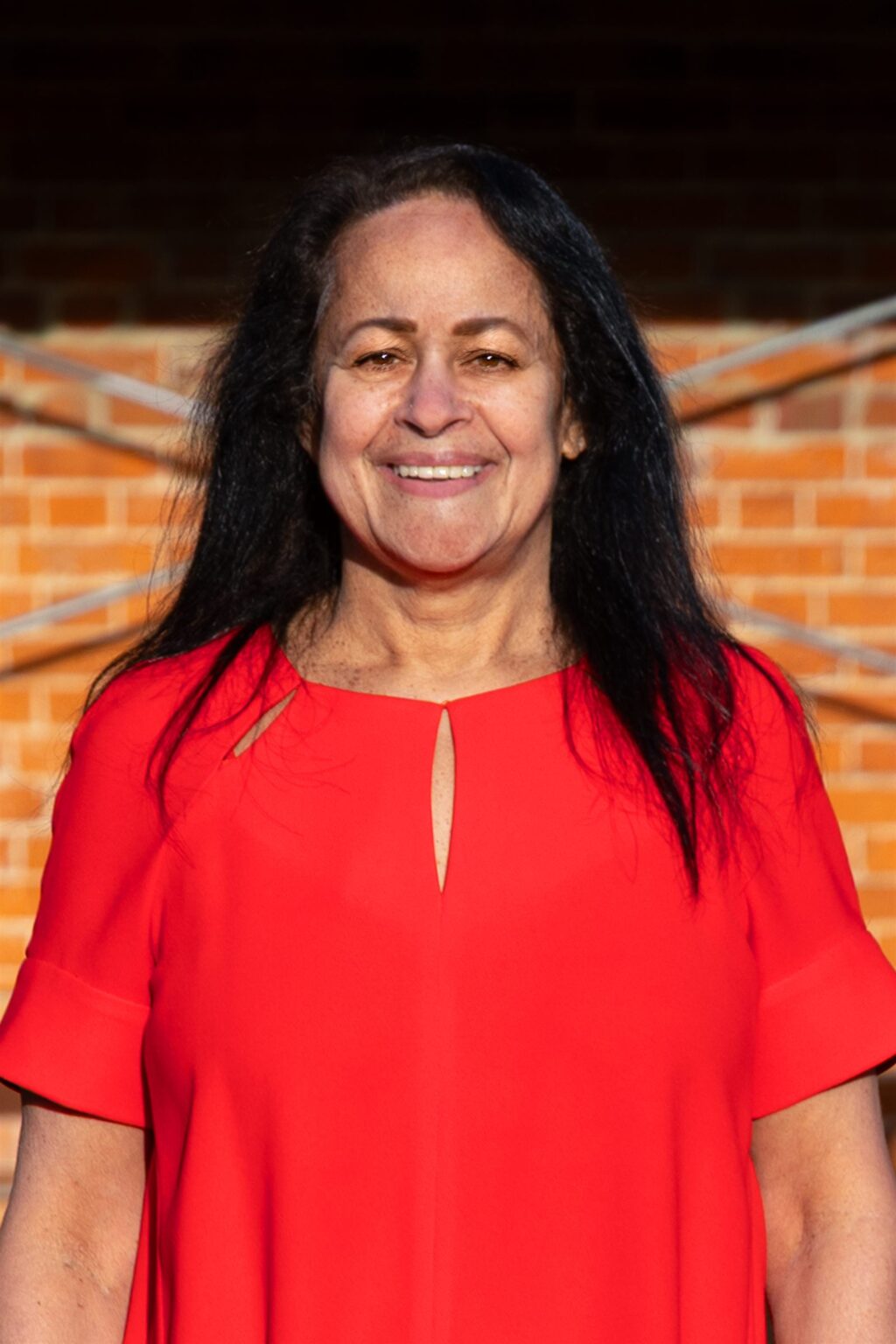
The menopause is different for every woman. We are all individual and will have very different experiences. Some women have told me they have ‘sailed through it’ and others said that it has had a hugely negative impact on their lives. What is important is to understand what menopause is, the symptoms, the treatments and what life can be like postmenopause. I can help you with this through the many public seminars that I give and also a 1:1 education and coaching session. I am not a medical doctor and I will recommend you visit one if needed.
You can also find a lot of information in my latest book – Your Joyful Years. I interviewed 50 thriving women over 50 and shared their wisdom on how to be healthy and happy as we age. It is available on Amazon.

UCL research
InTune: the UK menopause education and support programme
Along with Dr Shema Tariq, I am part of a team at University College London who are developing InTune, the UK menopause education and support programme. This is made up of two parts – Be prepared for menopause for everyone, but especially women before the age of 40, and Be supported through menopause, for women who are experiencing symptoms. You can read about our work in these two papers:
Where to find reliable information
The societies I recommend
The main societies that I would recommend for evidence-based information on menopause are the International Menopause Society (IMS), British Menopause Society/Women’s Health Concern (referred to as BMS below for ease), Royal College of Obstetricians and Gynaecologists (RCOG) and National Institute for Health and Care Excellence (NICE). I have included the main links to their web sites where you will find their information leaflets and videos. I have separated these out by topic.
01Menopause resources
General – what is menopause?
Menopause is defined as when you have gone for 12 months without a period. After that, you are postmenopausal. The time leading up to menopause, when your hormones begin to fluctuate and you may notice changes in your periods and other symptoms, is called perimenopause. Perimenopause continues until you reach that 12-month mark.
Most women reach menopause between the ages of 45 and 55, with the average age around 51. Symptoms of perimenopause can begin up to 10 years before periods stop, so it’s common to notice changes in your late 30s. This is normal and not too young, which is why it’s important that women under 40 are educated about menopause.
Websites and guidelines
- WebsiteWomen’s Health Concern – Factsheets and Information Leaflets
- ToolkitBMS Resource Toolkit – Principles & Practice of Menopause Care
- WebsiteInternational Menopause Society – Menopause Info Hub
- WebsiteRCOG – Menopause and Later Life Hub
- GuidelineNICE Guidelines – Menopause: Diagnosis and Management (NG23)

02Menopause resources
Menopause symptoms and effects on quality of life
You will see that the societies below have slightly different lists of perimenopause symptoms. This is a very controversial area and we do not yet have a definitive list of perimenopause symptoms. Basically symptoms fall into 4 main categories:
- Changes in your periodsHeavier, lighter, closer together, further apart, more painful
- Vasomotor symptomsHot flushes, cold flushes, night sweats
- Genitourinary changesChanges to your vulva and vaginal tissues, especially becoming dry and the tissues becoming thin
- Psychological symptomsThis is a growing list – depression, low mood, anger, irritability, brain fog, anxiety, the list goes on
If you have done one of my questionnaires – you will be presented with a very long list! You might be able to manage some symptoms yourself, or you may need support – either from a coach or a medical specialist. It is important not to suffer in silence and to get help for any issue that is affecting your quality of life.
Videos

Leaflets to download
03Menopause resources
Diagnosis
The British Menopause Society and the International Menopause Society do not recommend having a menopause test if you are over age 45. Instead, diagnosis is usually based on your age, symptoms and changes in bleeding pattern.
The test that some doctors may offer is a measure of a hormone called FSH (follicle stimulating hormone) but this fluctuates too much during the perimenopause. Many women told me they got a normal result when they were definitely in perimenopause. Also the level of FSH has no relationship to symptom severity.
When an FSH test can be useful is if someone is younger than 45 and so early menopause or premature ovarian insufficiency is suspected (especially under 40), because the diagnosis and follow-up have additional implications. In those situations, serial FSH testing may be recommended as part of the assessment.
Leaflets to download
04Menopause resources
Treatments
There are many treatments for specific perimenopause symptoms. Lifestyle changes, HRT, CBT and non-hormonal treatments are all covered below.
Leaflets to download

05Menopause resources
Lifestyle
No matter if a woman takes medication or not, the NICE menopause guideline (NG23) and its summaries explicitly say that diet and lifestyle advice should be offered – especially smoking cessation, weight loss, alcohol reduction and increasing exercise – as part of menopause care. Looking after our five pillars of health will reduce the risk of chronic health conditions and help us age well:
- Exercise
- Nutrition
- Sleep
- Mental health
- Friendships and community
I have explained all of these in my latest book – Your Joyful Years – and also explored ways to improve our happiness which I think is essential if we are going to thrive at this stage of our lives. Self-care is not selfish.
Watch and read


06Menopause resources
Hormone replacement therapy
There has been a lot of controversy about HRT. It certainly is life changing for some women. But not all women will need it. If you want to try it, you need to see a health professional who really understands how to administer HRT as there are different ways to take it and sometimes the doses need to be altered to get the best results. Not all women get on with HRT and in some it does not resolve all the symptoms. And some women cannot take it because of underlying health conditions.
HRT does not prevent dementia, but it can help with osteoporosis. The Royal Osteoporosis Society have a risk checker that should be used to determine if you are at increased risk, which you can discuss with your doctor.
Tools, videos and guides




07Menopause resources
CBT, non-hormonal and complementary therapies
Cognitive behaviour therapy
CBT is really well received by those that try it. It is a form of talking therapy widely used to treat anxiety and depression. According to the NICE guidelines, CBT is also recommended for managing perimenopausal symptoms such as hot flushes, night sweats, insomnia, anxiety, and depression. Research indicates that CBT can be effective in alleviating these symptoms.
Non-hormonal treatments
There are a number of established and new non-hormonal treatments that your doctor may recommend.

Complementary and alternative therapies
Some women say that these can help but there is little evidence to confirm this.

08Menopause resources
Postmenopause: your joyful years
My latest book – Your Joyful Years – explores life postmenopause through 50 interviews with women over 50.

09Listen
Podcast – why didn’t anyone tell me this?
I have done a number of podcasts with experts about menopause and issues relating to menopause.
Menopause, HRT and hormones
 Episode 21 · World Menopause Day specialAmanda ThebeNavigating the wild west of menopause
 Episode 21Mr Vikram TalaulikarA clinician’s perspective on current menopause treatment
 Episode 19Professor Isaac ManyondaMenopause and HRT: medicalising a natural transition or addressing a vast unmet need?
 Episode 18Susan DavisMaking sense of the menopause
 Episode 3Dr Annice MukherjeeYour essential menopause toolkit
 Episode 15Dr Nighat ArifThe Knowledge: your guide to female health from menstruation to the menopause
 Episode 11Dr Jen GunterFrom Vagina Bible to Menopause Manifesto
 Episode 27Sheree HargreavesLife of POI: premature ovarian insufficiency
 Episode 7Karen NewbyThe natural menopause method
 Episode 21Dr Stella DuffyWhat is it like to be postmenopausal?
 Episode 19Kate CodringtonSecond spring
 Episode 6Jo MoseleyThe joy of post-menopause
Body and brain health
 Episode 20Professor Neil GittoesUnderstanding osteoporosis
 Episode 19Dr Sarah McKayUnderstanding dementia and Alzheimer’s
 Episode 23Dr Nerys AstburyWhy we gain: understanding obesity
 Episode 4Dr Neil StanleyHow to sleep well
 Episode 25Dr Nicky KeayExercise for women’s health
 Episode 26Clare FoneExercise is just movement with purpose
 Episode 4Petra CoveneyYoga for women’s health
 Episode 7Lavina Mehta MBEThe feel-good fix
 Episode 20Sian RichardsonThe Bluetits chill swimmers
 Episode 12Di WestawayWild Women on Top: trekking for your health
Midlife and ageing well
 Episode 1Professor Joyce HarperYour Joyful Years: let’s make looking after your good health and happiness sexy
 Episode 12Susan SaundersHow to age well
 Episode 22Rachel LankasterMagnificent midlife
 Episode 22Bukky AyoadeYour vibrant midlife
 Episode 23Eleanor MillsMuch more to come
 Episode 20Rachel PeruLiberté: free to be
 Episode 10Siobhan DanielsPro-age campaigner and retirement rebel
 Episode 11Deborah IvesSolo traveller and adventure maker
 Episode 2Jessica HepburnTurning life into an adventure
 Episode 16David WoodThe abolition of ageing
Talks and coaching
Menopause education with Joyce
Public seminars, workplace talks and 1:1 education and coaching sessions.