

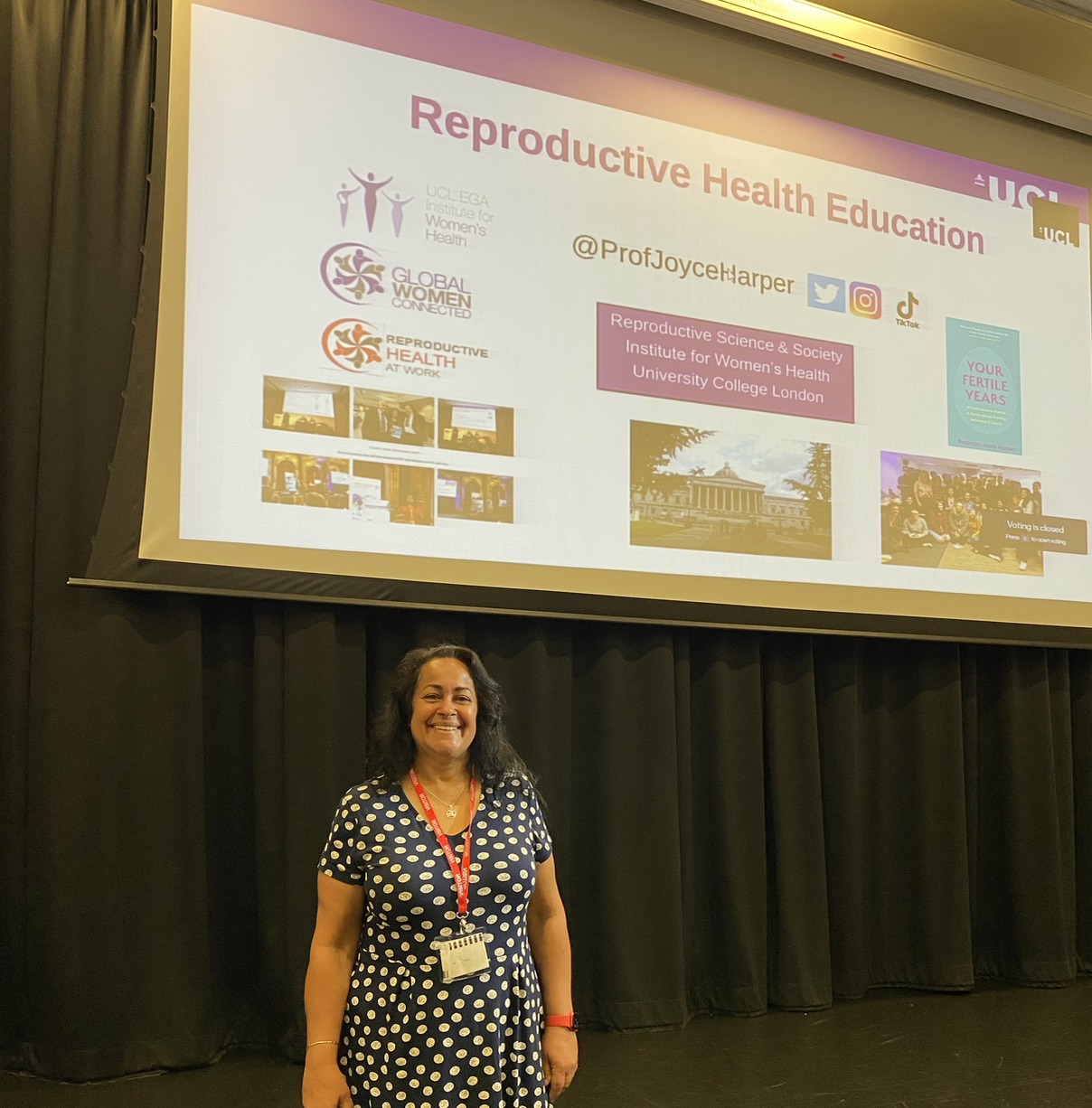
 Both the World Health Organization (WHO) and the United Nations Educational, Scientific and Cultural Organization (UNESCO) agree that sex education is a necessary component of education. But globally most countries teach limited information on sex and reproductive health education, concentrating on how not to get pregnant. They may cover puberty, contraception and sexually transmitted infections (STIs) but rarely teach how to get pregnant, preconception health, PCOS, endometriosis, infertility, miscarriage or menopause.
 When I teach school children I concentrate on the menstrual cycle (periods and the fertile window), PCOS, endometriosis, female and male fertility decline, infertility, and menopause. I make it clear that some of these topics are relevant whether they want children or not, and that these issues may affect boys, girls, trans and non-binary people, either directly or indirectly. Our school survey showed that most importantly, teenagers felt their education was not LGBTQ+ inclusive so when I teach in schools and in our teachers educational resources, we explain how the LGBT community can have children if they wish and how transitioning may affect fertility.
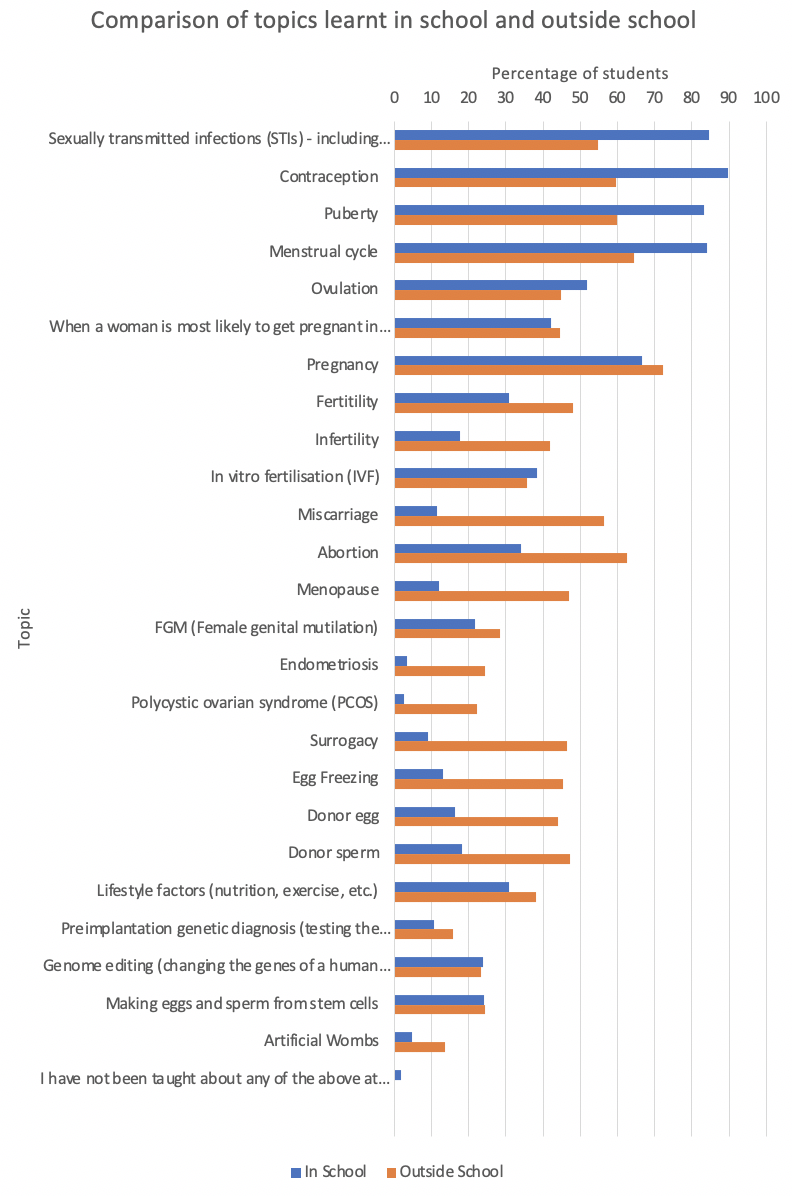
Figure 1: Comparison of which topics students reported learning about in and outside school. Presented as a percentage of the students who reported learning each topic (Maslowski et al., 2022)
In conclusion, we have a long way to go to ensure that children leave school with comprehensive sex and reproductive health education so they can make informed decisions about their reproductive futures, whether they want children or not. Working with schools to ensure they can deliver the right information is essential. I hope that we achieve this through the work of the International Fertility Education Initiative. Education also needs to be delivered to adults and I run a program called Reproductive Health at Work where we cover all of the topics and discuss how these can affect someone’s work and home life. This work is long overdue and I often regret not continuing back in 1987.
References
Harper, JC (2021) Your Fertile Years, Published by Sheldon Press.
Harper, J.C., Hepburn, J., Vautier, G., Callander, E., Glasgow, T., Balen, A. and Boivin, J., 2019. Feasibility and acceptability of theatrical and visual art to deliver fertility education to young adults. Human Fertility, pp.1-7. https://doi.org/10.1080/14647273.2019.1570354
Harper, J, Boivin, J, O’Neill, H, Brian, J, Dhingra, J, Dugdale, G, Edwards, G, Emmerson, L, Grace, B. Hadley, A, Hamzic, L., Heathcote, J., Hepburn, J., Hoggart, L., Kisby, F., Mann, S., Norcross, S, Regan, L, Seenan, S. Stephenson, J. Walker, H. Balen, A. (2017) The need to improve fertility awareness. Reproductive Biomedicine and Society Online (2017) 4, 18–20 https://www.sciencedirect.com/science/article/pii/S2405661817300096
Joyce Harper, Karin Hammarberg, Mara Simopoulou, Emily Koert, Juliana Pedro, Nathalie Massin, Adam Balen (2021) The International Fertility Education Initiative: Research and action to improve fertility awareness, Human Reproduction Open https://academic.oup.com/hropen/article/2021/4/hoab031/6357711
Katherine Maslowski, Rina Biswakarma, Michael J. Reiss & Joyce Harper (2022) Sex and fertility education in England: an analysis of biology curricula and students’ experiences, Journal of Biological Education, DOI: 10.1080/00219266.2022.2108103
Katherine Maslowski, Michael J. Reiss, Rina Biswakarma and Joyce C. Harper (in press) Reproductive health education in the schools of the four UK nations: Is it falling through the gap?
When I teach school children I concentrate on the menstrual cycle (periods and the fertile window), PCOS, endometriosis, female and male fertility decline, infertility, and menopause. I make it clear that some of these topics are relevant whether they want children or not, and that these issues may affect boys, girls, trans and non-binary people, either directly or indirectly. Our school survey showed that most importantly, teenagers felt their education was not LGBTQ+ inclusive so when I teach in schools and in our teachers educational resources, we explain how the LGBT community can have children if they wish and how transitioning may affect fertility.
Figure 1: Comparison of which topics students reported learning about in and outside school. Presented as a percentage of the students who reported learning each topic (Maslowski et al., 2022)
In conclusion, we have a long way to go to ensure that children leave school with comprehensive sex and reproductive health education so they can make informed decisions about their reproductive futures, whether they want children or not. Working with schools to ensure they can deliver the right information is essential. I hope that we achieve this through the work of the International Fertility Education Initiative. Education also needs to be delivered to adults and I run a program called Reproductive Health at Work where we cover all of the topics and discuss how these can affect someone’s work and home life. This work is long overdue and I often regret not continuing back in 1987.
References
Harper, JC (2021) Your Fertile Years, Published by Sheldon Press.
Harper, J.C., Hepburn, J., Vautier, G., Callander, E., Glasgow, T., Balen, A. and Boivin, J., 2019. Feasibility and acceptability of theatrical and visual art to deliver fertility education to young adults. Human Fertility, pp.1-7. https://doi.org/10.1080/14647273.2019.1570354
Harper, J, Boivin, J, O’Neill, H, Brian, J, Dhingra, J, Dugdale, G, Edwards, G, Emmerson, L, Grace, B. Hadley, A, Hamzic, L., Heathcote, J., Hepburn, J., Hoggart, L., Kisby, F., Mann, S., Norcross, S, Regan, L, Seenan, S. Stephenson, J. Walker, H. Balen, A. (2017) The need to improve fertility awareness. Reproductive Biomedicine and Society Online (2017) 4, 18–20 https://www.sciencedirect.com/science/article/pii/S2405661817300096
Joyce Harper, Karin Hammarberg, Mara Simopoulou, Emily Koert, Juliana Pedro, Nathalie Massin, Adam Balen (2021) The International Fertility Education Initiative: Research and action to improve fertility awareness, Human Reproduction Open https://academic.oup.com/hropen/article/2021/4/hoab031/6357711
Katherine Maslowski, Rina Biswakarma, Michael J. Reiss & Joyce Harper (2022) Sex and fertility education in England: an analysis of biology curricula and students’ experiences, Journal of Biological Education, DOI: 10.1080/00219266.2022.2108103
Katherine Maslowski, Michael J. Reiss, Rina Biswakarma and Joyce C. Harper (in press) Reproductive health education in the schools of the four UK nations: Is it falling through the gap?


0 Comments