

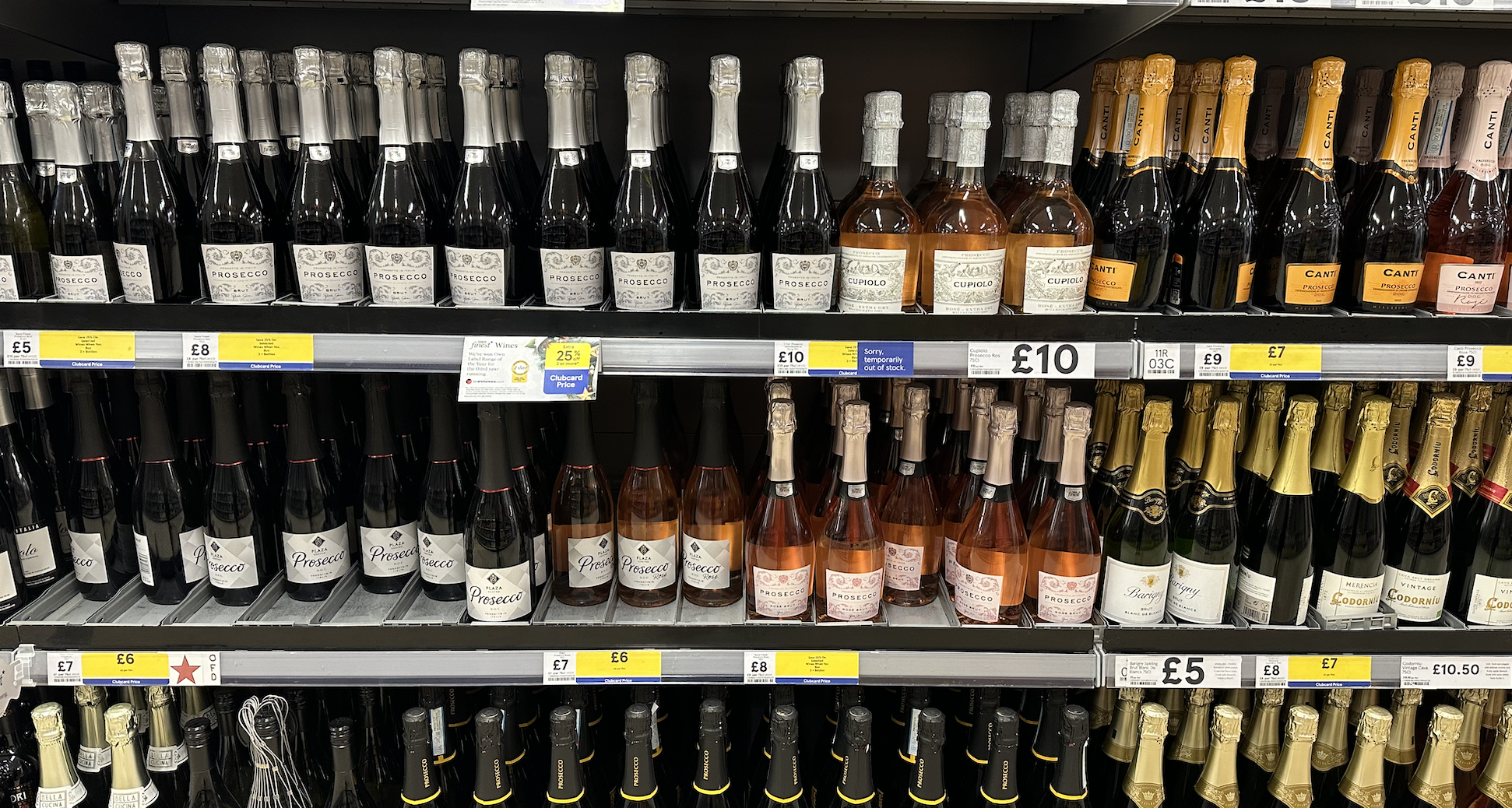
The Christmas holiday season is often a time when our relationship with alcohol becomes less mindful. With parties and celebrations, it's no surprise that Dry January appeals to so many as a way to reset. But does it have to be this way?
What if this holiday period you go for moderation instead? By balancing your alcohol and food intake, you could stay healthier and kick off the new year feeling refreshed and in top shape.
The recommended guideline for adults is to drink no more than 14 units of alcohol per week, ideally spread over several days with some alcohol-free days in between. Exceeding this limit can have serious consequences for your health. A glass of wine contains 2.3 units of alcohol. A bottle of wine is 10 units.
You know this – alcohol can impair your judgment, clouding decision-making and leading to actions you might regret. It can make you feel unreasonable and angry, and it’s important to remember that alcohol is the number one date rape drug. Drinking also heightens the risk of accidents. Have you been to A and E on a Friday and Saturday night?
I have heard many people say they drink a glass of wine to relax but we must understand that it significantly disrupts sleep quality. Even one drink can leave you waking up tired, and it’s not uncommon to feel low or even depressed the next day. It took me a while to realise it was the alcohol from the night before that was making me feel depressed in the morning.
Hangovers, with their familiar dehydration, fatigue, nausea, and headaches, often become worse with age.
But did you know that for women, alcohol also affects hormonal health? It can disrupt the menstrual cycle, leading to irregular periods, heavier bleeding, or exacerbating premenstrual syndrome symptoms like cramps and mood swings. Over time, it can impact fertility.
For women going through perimenopause, alcohol can intensify symptoms such as hot flashes and night sweats, worsen insomnia, and amplify anxiety, depression, and mood swings. For the post-menopausal women I have interviewed, many of them have given up alcohol as they felt it was having too much of an effect on their health.
And longer term - excessive alcohol consumption is associated with decreased bone density, compounding the risk of osteoporosis that rises during menopause. Alcohol is calorie-dense and can contribute to weight gain. I don’t want to think how many calories are in the Christmas Baileys I drink! And it can affect our cardiovascular health by raising blood pressure, cholesterol levels, and increasing the likelihood of atrial fibrillation.
Alcohol poisoning – yes, it is a real thing. There have been a number of reports in the press this week as more than 8,200 people died because of alcohol last year.
Longer term alcohol has some serious effects on our health.
Alcohol is a known carcinogen linked to an increased risk of a number of cancers including mouth, throat, oesophagus, liver, colon and breast. For each standard drink consumed daily, the relative risk of breast cancer increases by about 7-10%. Women who drink three or more alcoholic beverages per day have a 40-50% higher risk of developing breast cancer compared to non-drinkers. Dame Sally Davies, previously UK's Chief Medical Officer, said “Do as I do when I reach for my glass of wine. Think: do I want the glass of wine or do I want to raise my own risk of breast cancer? I take a decision each time I have a glass.”
From the Cancer Research UK web site: “Does a small amount of alcohol increase the risk of cancer? Yes, cancer risk starts to increase at small amounts, so the more you can cut down the more you can reduce your risk. Drinking alcohol causes 11,900 cases of cancer a year in the UK. Cutting back has lots of benefits other than reducing your cancer risk- including reducing the risk of accidents, high blood pressure and liver disease.”
And there is more….
Heart disease - Excessive alcohol increases blood pressure, weakens the heart muscle, and raises the risk of stroke and heart attack.
Brain Damage - Alcohol can shrink brain tissue, impair memory, and contribute to conditions like dementia over time.
Liver Damage - Chronic alcohol use can lead to fatty liver, hepatitis, and cirrhosis, as the liver works to metabolize alcohol and becomes overburdened.
Digestive Problems - It irritates the stomach lining and can lead to ulcers, gastritis, and pancreatitis.
Weakened Immune System - Chronic drinking can make the body more susceptible to infections.
And it can affect our looks - including red skin, deep wrinkles and puffiness, and it dehydrates the body. It reduces vitamin A – an antioxidant that is critical for cell renewal and turnover. It can cause zinc deficiency in the body, which has been shown to cause hair loss.
The UK guidelines state “people have a right to accurate information and clear advice about alcohol and its health risk”.
So there it is. I enjoy a drink. And I will still be drinking that Baileys. But I will be drinking in moderation. And I find a sweaty workout or a cold water swim the next day resets my body and brain. I want to wake up on New Years Day feeling great without the need for Dry January.



0 Comments