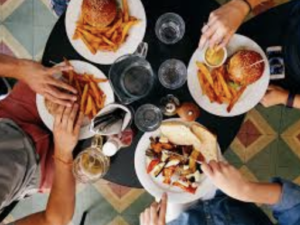
This week I am going to talk about the four pillars of wellbeing: nutrition, exercise, sleep and mental health. Today - let's talk about what we eat and drink.
Has your food and drink intake been under control during lockdown?
Many people eat too much processed food, too many takeaways, too much sugar and drink too much alcohol. But during lockdown we have not been able to eat and drink socially. How has this affected you? Have you found that you have more time on your hands to control your nutrition or has it all gone out the window?
Pre lockdown - I was always too busy and did not find the time to plan my meals and found myself comfort eating. And I only drink socially - which was quite a lot. A good thing about lockdown for me is that I have found the time to take control of my food and alcohol consumption and I am feeling healthier than ever.
Key facts from the World Health Organisation
Worldwide obesity has more than doubled since 1980.
In 2014, more than 1.9 billion adults, 18 years and older, were overweight. Of these over 600 million were obese.
39% of adults aged 18 years and over were overweight in 2014, and 13% were obese.
Most of the world’s population live in countries where overweight and obesity kills more people than underweight.
42 million children under the age of 5 were overweight or obese in 2013.
Obesity is preventable.
The
NHS has provided an Eat Well guide. It says we should:
Eat at least five portions of a variety of fruit and vegetables a day
Base meals on potatoes, bread, rice, pasta or other starchy carbohydrates. Choose wholegrain where possible
Have some dairy or dairy alternatives (such as soya drinks and yoghurts). Choose lower-fat and lower-sugar options
Eat some beans, pulses, fish, eggs, meat and other protein. Aim for at least two portions of fish every week – one of which should be oily, such as salmon or mackerel
Choose unsaturated oils and spreads and eat in small amounts
Eat foods high in fat, salt and sugar less often and in small amounts
Drink plenty of fluids – the government recommends 6-8 cups/glasses a day
What foods do we need to avoid?
Studies have shown that high-fat, high-calorie foods are addictive and affect the brain in much the same way as cocaine and heroin. Processed foods and drinks have been developed so they are tasty, can be mass produced and have a long shelf life. If we could visit the factories that make these foods and drinks, we would probably never consume them again. We crave foods that are high in sugar, salt and fat, and so processed foods are usually high in these three very unhealthy and artificial ingredients. By processing foods in a certain way they can be very rewarding to the brain. Comfort eating processed foods increases dopamine and makes us feel better.
Processed foods are likely to contain numerous chemicals including colourings, flavourings and preservatives. If you read the ingredients for processed foods you will see a list of chemicals – would you consider them food?
When processed and junk food is consumed too often, the excess fat, carbohydrates, and processed sugar contributes to an increased risk of obesity, cardiovascular disease, diabetes, and many other chronic health conditions.
Alcohol
Many of my friends have told me they are drinking more this year.
I am sure you know that 1 bottle of wine is actually 10 units of alcohol. The recommendations are that women should drink no more than
14 units of alcohol per week which should include some alcohol free days. How is your relationship with alcohol?
Even one glass a day can disrupt our mood and energy levels and result in poor sleep and eating patterns. This can make our relationships with friends and family suffer and make premenstrual syndrome and the menopause worse. A little alcohol may make us feel happy but it can also make us short tempered and angry. And excessive drinking can lead to serious hang overs which may affect your whole day.
I love the taste of alcohol and I love the buzz it gives me. But I rarely drink at home and it feels sad if I have a glass of wine whilst on a Zoom call. So I am hardly drinking anything and I am feeling pretty good.
Have you got this under control?
Read More:
Global Women Alcohol
https://www.bbc.co.uk/iplayer/episode/b07fys2y/horizon-20152016-11-why-are-we-getting-so-fat
Gastric surgery
https://www.independent.co.uk/life-style/health-and-families/health-news/scientists-discover-how-obesity-gene-works-when-faulty-giving-new-hope-for-finding-cure-10469406.html
Global women – gut bacteria

 This week I am going to talk about the four pillars of wellbeing: nutrition, exercise, sleep and mental health. Today - let's talk about what we eat and drink.
Has your food and drink intake been under control during lockdown?
Many people eat too much processed food, too many takeaways, too much sugar and drink too much alcohol. But during lockdown we have not been able to eat and drink socially. How has this affected you? Have you found that you have more time on your hands to control your nutrition or has it all gone out the window?
Pre lockdown - I was always too busy and did not find the time to plan my meals and found myself comfort eating. And I only drink socially - which was quite a lot. A good thing about lockdown for me is that I have found the time to take control of my food and alcohol consumption and I am feeling healthier than ever.
Key facts from the World Health Organisation
Worldwide obesity has more than doubled since 1980.
In 2014, more than 1.9 billion adults, 18 years and older, were overweight. Of these over 600 million were obese.
39% of adults aged 18 years and over were overweight in 2014, and 13% were obese.
Most of the world’s population live in countries where overweight and obesity kills more people than underweight.
42 million children under the age of 5 were overweight or obese in 2013.
Obesity is preventable.
The NHS has provided an Eat Well guide. It says we should:
Eat at least five portions of a variety of fruit and vegetables a day
Base meals on potatoes, bread, rice, pasta or other starchy carbohydrates. Choose wholegrain where possible
Have some dairy or dairy alternatives (such as soya drinks and yoghurts). Choose lower-fat and lower-sugar options
Eat some beans, pulses, fish, eggs, meat and other protein. Aim for at least two portions of fish every week – one of which should be oily, such as salmon or mackerel
Choose unsaturated oils and spreads and eat in small amounts
Eat foods high in fat, salt and sugar less often and in small amounts
Drink plenty of fluids – the government recommends 6-8 cups/glasses a day
What foods do we need to avoid?
Studies have shown that high-fat, high-calorie foods are addictive and affect the brain in much the same way as cocaine and heroin. Processed foods and drinks have been developed so they are tasty, can be mass produced and have a long shelf life. If we could visit the factories that make these foods and drinks, we would probably never consume them again. We crave foods that are high in sugar, salt and fat, and so processed foods are usually high in these three very unhealthy and artificial ingredients. By processing foods in a certain way they can be very rewarding to the brain. Comfort eating processed foods increases dopamine and makes us feel better.
Processed foods are likely to contain numerous chemicals including colourings, flavourings and preservatives. If you read the ingredients for processed foods you will see a list of chemicals – would you consider them food?
When processed and junk food is consumed too often, the excess fat, carbohydrates, and processed sugar contributes to an increased risk of obesity, cardiovascular disease, diabetes, and many other chronic health conditions.
Alcohol
Many of my friends have told me they are drinking more this year.
I am sure you know that 1 bottle of wine is actually 10 units of alcohol. The recommendations are that women should drink no more than 14 units of alcohol per week which should include some alcohol free days. How is your relationship with alcohol?
Even one glass a day can disrupt our mood and energy levels and result in poor sleep and eating patterns. This can make our relationships with friends and family suffer and make premenstrual syndrome and the menopause worse. A little alcohol may make us feel happy but it can also make us short tempered and angry. And excessive drinking can lead to serious hang overs which may affect your whole day.
I love the taste of alcohol and I love the buzz it gives me. But I rarely drink at home and it feels sad if I have a glass of wine whilst on a Zoom call. So I am hardly drinking anything and I am feeling pretty good.
Have you got this under control?
Read More:
Global Women Alcohol
https://www.bbc.co.uk/iplayer/episode/b07fys2y/horizon-20152016-11-why-are-we-getting-so-fat
Gastric surgery
https://www.independent.co.uk/life-style/health-and-families/health-news/scientists-discover-how-obesity-gene-works-when-faulty-giving-new-hope-for-finding-cure-10469406.html
Global women – gut bacteria
This week I am going to talk about the four pillars of wellbeing: nutrition, exercise, sleep and mental health. Today - let's talk about what we eat and drink.
Has your food and drink intake been under control during lockdown?
Many people eat too much processed food, too many takeaways, too much sugar and drink too much alcohol. But during lockdown we have not been able to eat and drink socially. How has this affected you? Have you found that you have more time on your hands to control your nutrition or has it all gone out the window?
Pre lockdown - I was always too busy and did not find the time to plan my meals and found myself comfort eating. And I only drink socially - which was quite a lot. A good thing about lockdown for me is that I have found the time to take control of my food and alcohol consumption and I am feeling healthier than ever.
Key facts from the World Health Organisation
Worldwide obesity has more than doubled since 1980.
In 2014, more than 1.9 billion adults, 18 years and older, were overweight. Of these over 600 million were obese.
39% of adults aged 18 years and over were overweight in 2014, and 13% were obese.
Most of the world’s population live in countries where overweight and obesity kills more people than underweight.
42 million children under the age of 5 were overweight or obese in 2013.
Obesity is preventable.
The NHS has provided an Eat Well guide. It says we should:
Eat at least five portions of a variety of fruit and vegetables a day
Base meals on potatoes, bread, rice, pasta or other starchy carbohydrates. Choose wholegrain where possible
Have some dairy or dairy alternatives (such as soya drinks and yoghurts). Choose lower-fat and lower-sugar options
Eat some beans, pulses, fish, eggs, meat and other protein. Aim for at least two portions of fish every week – one of which should be oily, such as salmon or mackerel
Choose unsaturated oils and spreads and eat in small amounts
Eat foods high in fat, salt and sugar less often and in small amounts
Drink plenty of fluids – the government recommends 6-8 cups/glasses a day
What foods do we need to avoid?
Studies have shown that high-fat, high-calorie foods are addictive and affect the brain in much the same way as cocaine and heroin. Processed foods and drinks have been developed so they are tasty, can be mass produced and have a long shelf life. If we could visit the factories that make these foods and drinks, we would probably never consume them again. We crave foods that are high in sugar, salt and fat, and so processed foods are usually high in these three very unhealthy and artificial ingredients. By processing foods in a certain way they can be very rewarding to the brain. Comfort eating processed foods increases dopamine and makes us feel better.
Processed foods are likely to contain numerous chemicals including colourings, flavourings and preservatives. If you read the ingredients for processed foods you will see a list of chemicals – would you consider them food?
When processed and junk food is consumed too often, the excess fat, carbohydrates, and processed sugar contributes to an increased risk of obesity, cardiovascular disease, diabetes, and many other chronic health conditions.
Alcohol
Many of my friends have told me they are drinking more this year.
I am sure you know that 1 bottle of wine is actually 10 units of alcohol. The recommendations are that women should drink no more than 14 units of alcohol per week which should include some alcohol free days. How is your relationship with alcohol?
Even one glass a day can disrupt our mood and energy levels and result in poor sleep and eating patterns. This can make our relationships with friends and family suffer and make premenstrual syndrome and the menopause worse. A little alcohol may make us feel happy but it can also make us short tempered and angry. And excessive drinking can lead to serious hang overs which may affect your whole day.
I love the taste of alcohol and I love the buzz it gives me. But I rarely drink at home and it feels sad if I have a glass of wine whilst on a Zoom call. So I am hardly drinking anything and I am feeling pretty good.
Have you got this under control?
Read More:
Global Women Alcohol
https://www.bbc.co.uk/iplayer/episode/b07fys2y/horizon-20152016-11-why-are-we-getting-so-fat
Gastric surgery
https://www.independent.co.uk/life-style/health-and-families/health-news/scientists-discover-how-obesity-gene-works-when-faulty-giving-new-hope-for-finding-cure-10469406.html
Global women – gut bacteria


0 Comments